
Twenty-two years of exploration: an interview with Sunwise team leader Gao
Introduction: In this edition of Huineng Ping Says 5E, the editorial team joins Huiping for a visit to Sunwise. Gao explains the company's journey from a technology research team to an industrial park and a leading business in the hydrogen sector.
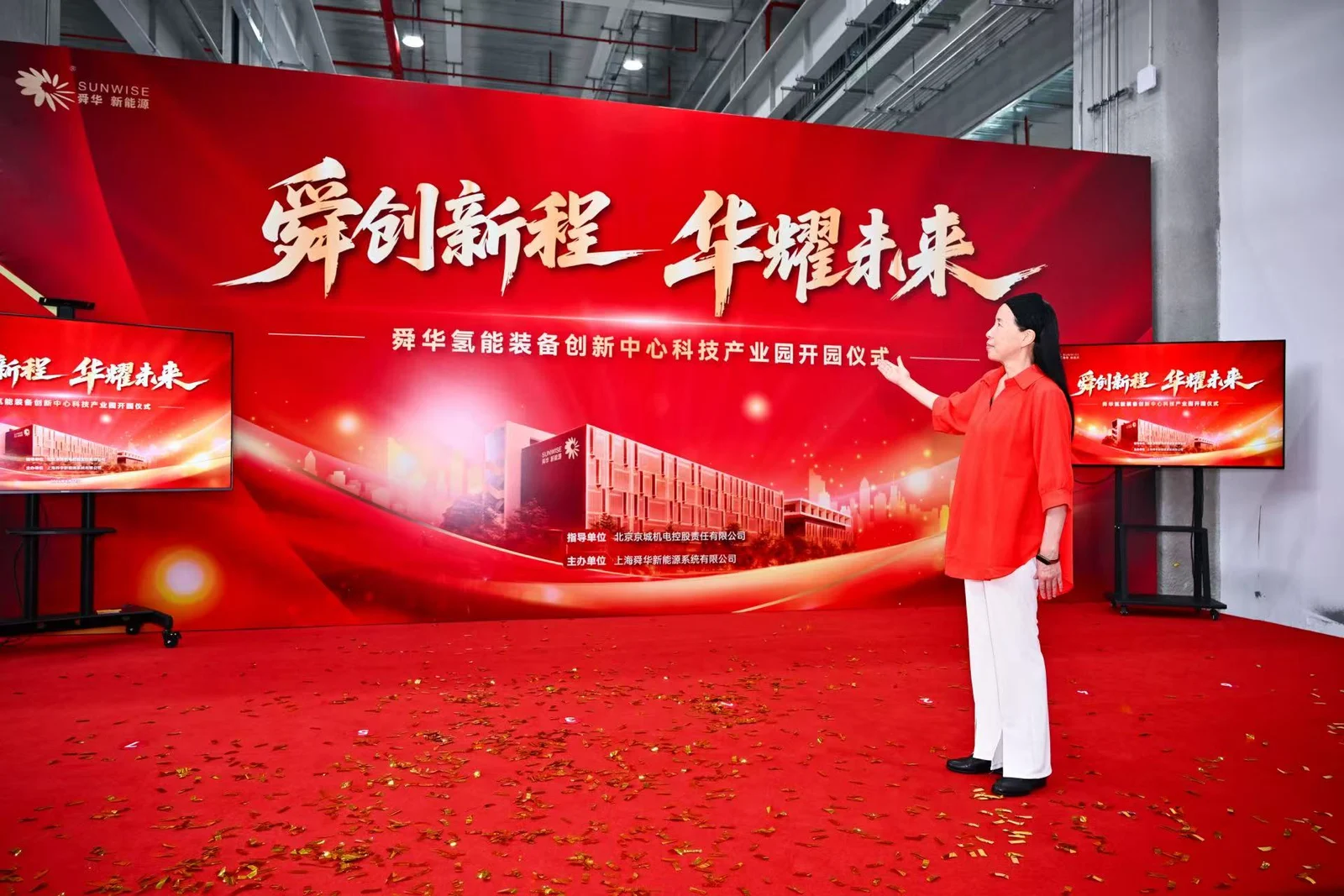
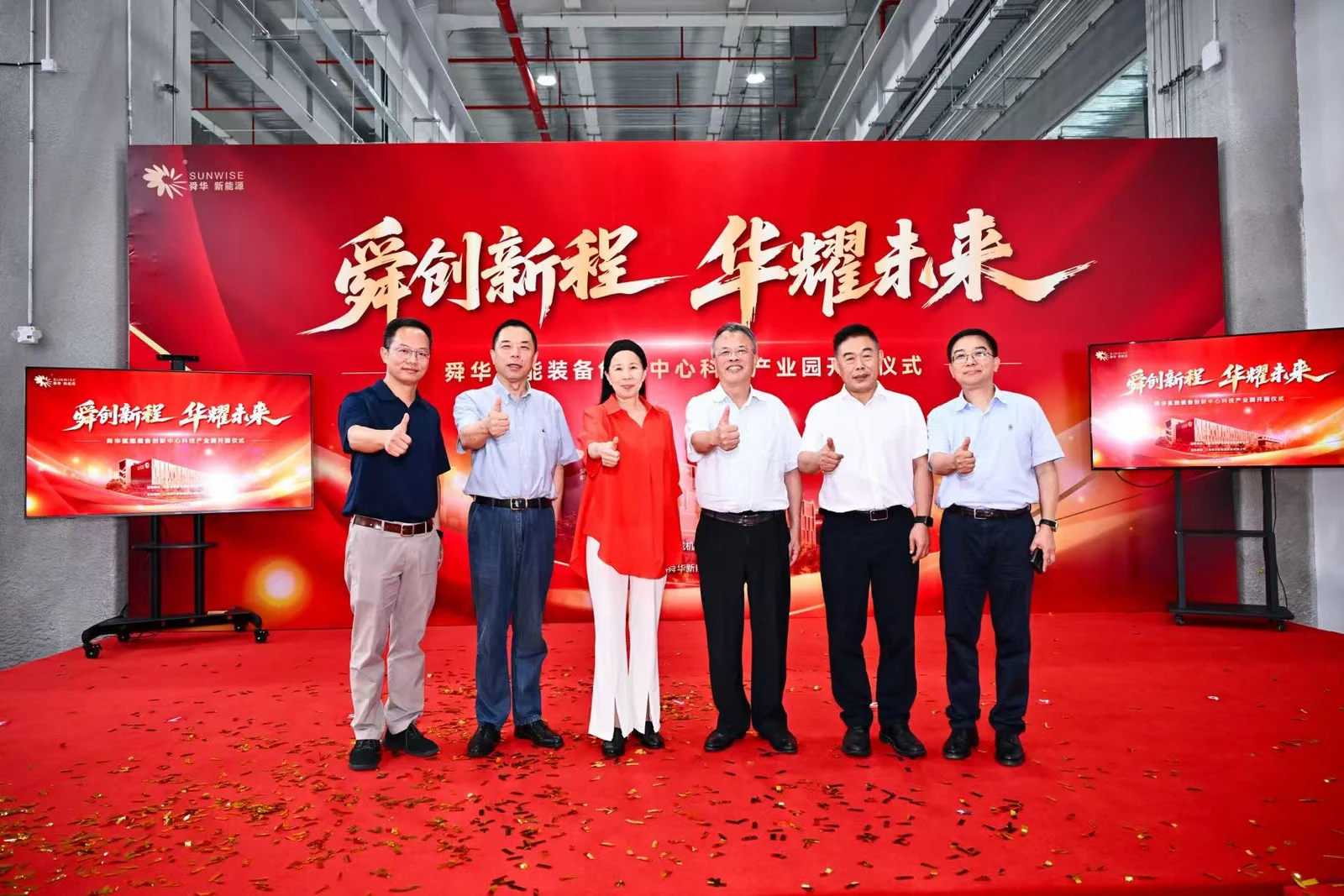
On August 11, 2026, Sunwise celebrated both its 22nd anniversary and the opening of the Sunwise Hydrogen Equipment Innovation Center and Science & Technology Industrial Park. From a small research team more than two decades ago, it has developed into a leading company with technologies spanning hydrogen production, storage, transport, refueling and use. Its progress reflects a significant part of China's hydrogen industry development.
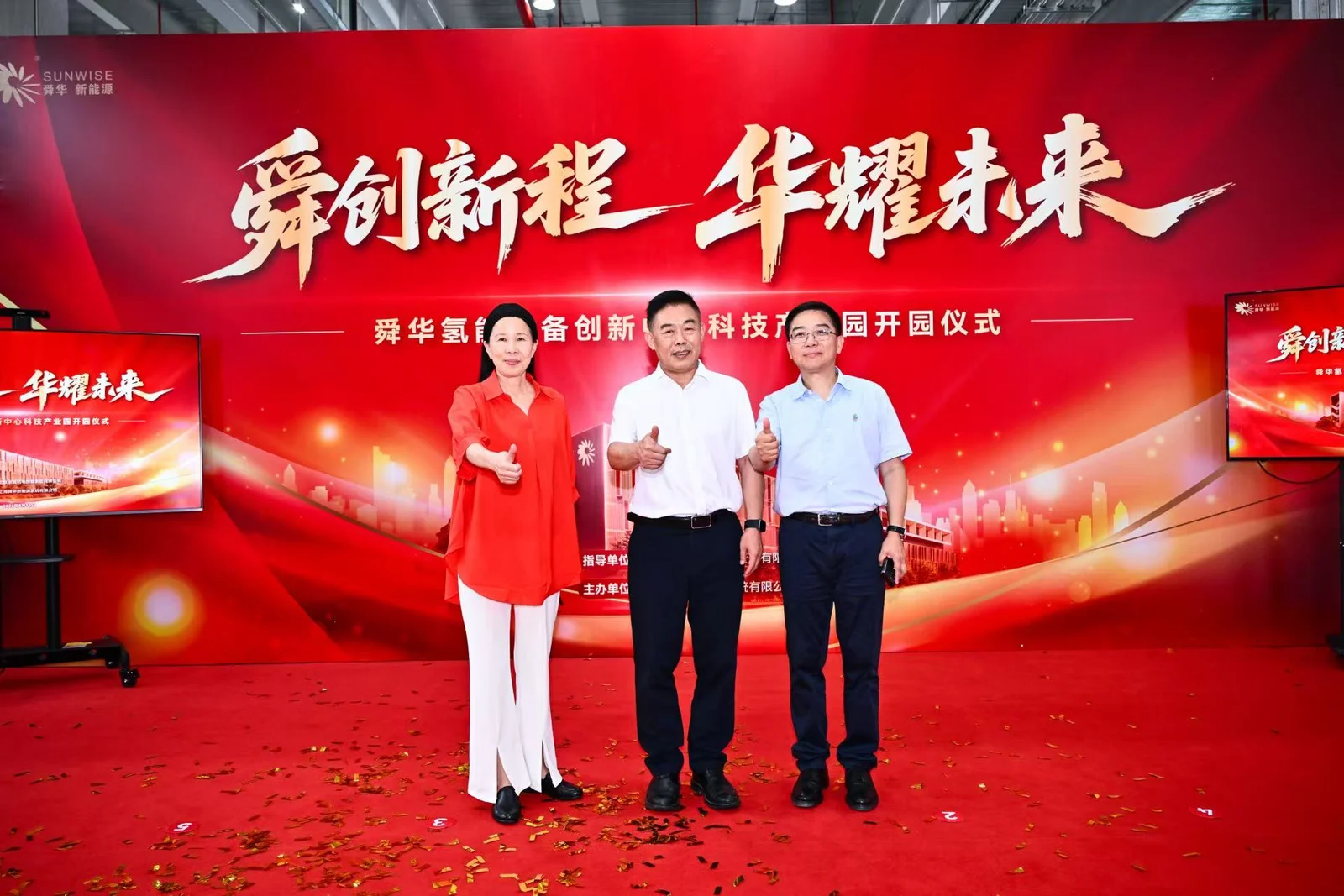
The interview
We speak with Gao Dingyun, Co-chairman of Shanghai Sunwise Energy Systems Co., Ltd. and Deputy Director of the Green Transport Committee of the Shanghai Society of Transportation Engineering.
Opening: twenty-two years, one question
Q: How would you describe Sunwise's work over the past twenty-two years in one sentence?
A: For twenty-two years we have focused on one question: can high-pressure hydrogen be handled safely?
Hydrogen is the lightest element in the universe. Its molecules are exceptionally small, it leaks easily and it places demanding requirements on materials. In 2004, a group of young people who had worked on Tongji University's national 863 research program started out in an office at the university. Guided by rigorous, practical work and collaborative innovation, they set out to work with element number one. At that time, China's hydrogen industry was almost a blank page, with no established standards, rules or commercial precedents.
Twenty-two years later, the results include more than 100 hydrogen stations in over 20 provinces and municipalities, over 8,000 on-board hydrogen storage systems supporting more than 130 vehicle models listed by the Ministry of Industry and Information Technology, 44 standards, 161 granted patents and nine research awards. A university research team has become a national specialized and innovative Little Giant enterprise with more than 200 people, over 40% of them technical staff. One laboratory has grown into an industrial park with approximately 20,000 square metres of floor area and an investment of RMB 150 million. Throughout this journey, Sunwise has continued to address that same question.
Q: Could you describe Sunwise's twenty-two years of technology development?
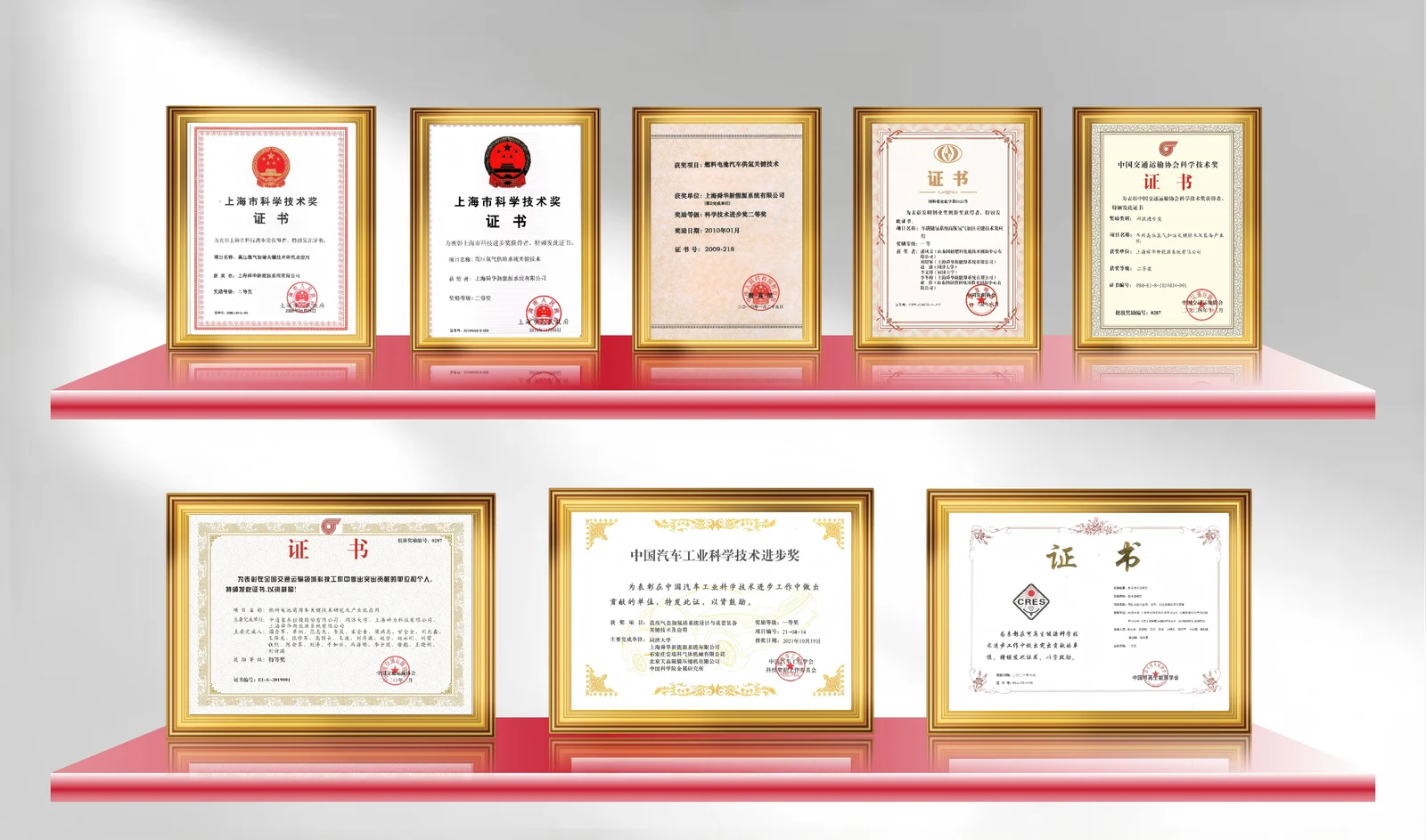
A: Our research has focused on building a portfolio of innovations in high-pressure hydrogen technology. Patents have helped guide our work as we anticipate technical advances and support industry development.
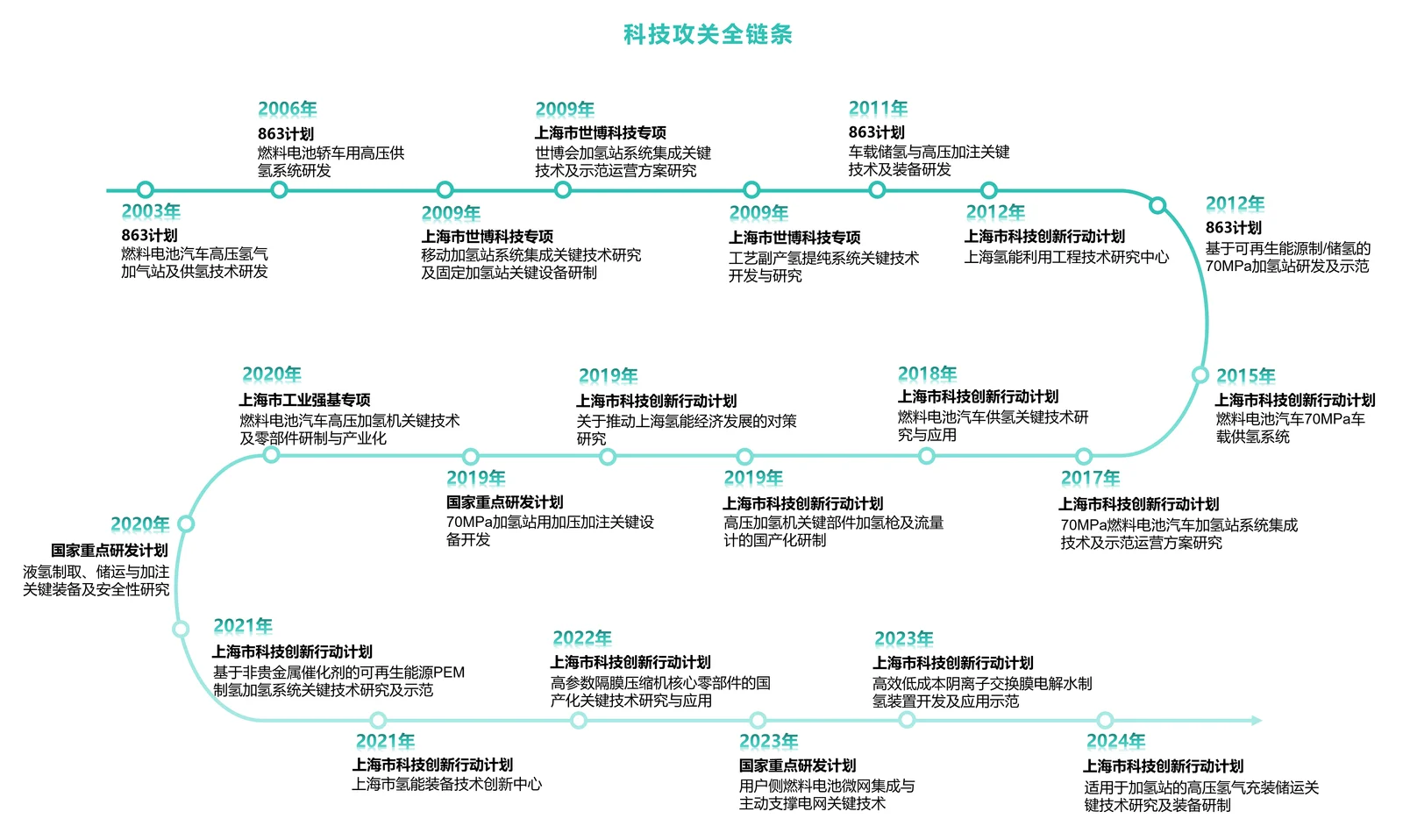
This expertise was accumulated over time. Sunwise's origins trace back to its first 863 Program project in 2003. It has undertaken research tasks for twenty-two consecutive years, with 41 projects spanning stations, on-board hydrogen systems, refueling equipment, production, standards and testing, and integrated energy. Projects have come through the 863 Program, the National Key R&D Program, Shanghai's science and technology commission, international research cooperation and Shanghai's economic and information technology commission, forming a clear progression of technical development.
Chapter 1: from one station to more than one hundred
Q: When was Sunwise's first station built, and what was the biggest challenge?
A: In 2007, Sunwise completed Anting, Shanghai's first hydrogen refueling station and one of the first in China to enter operation.
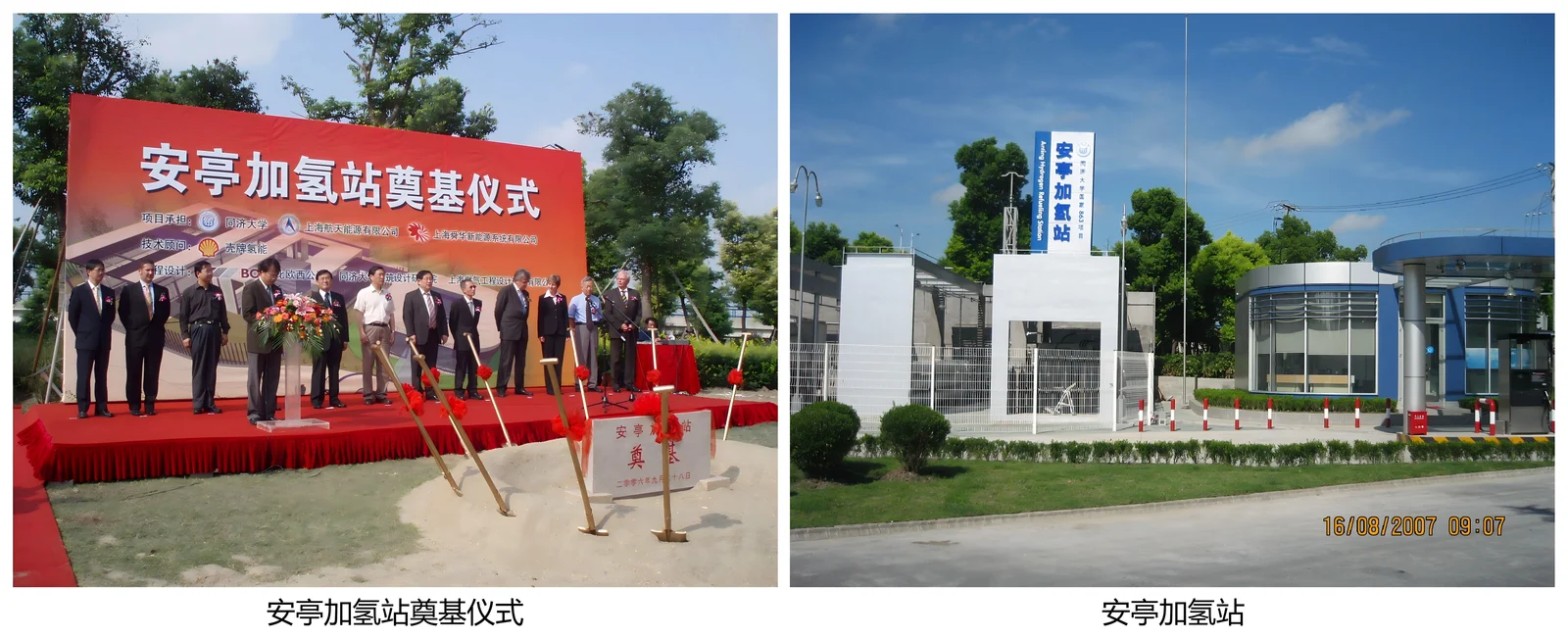
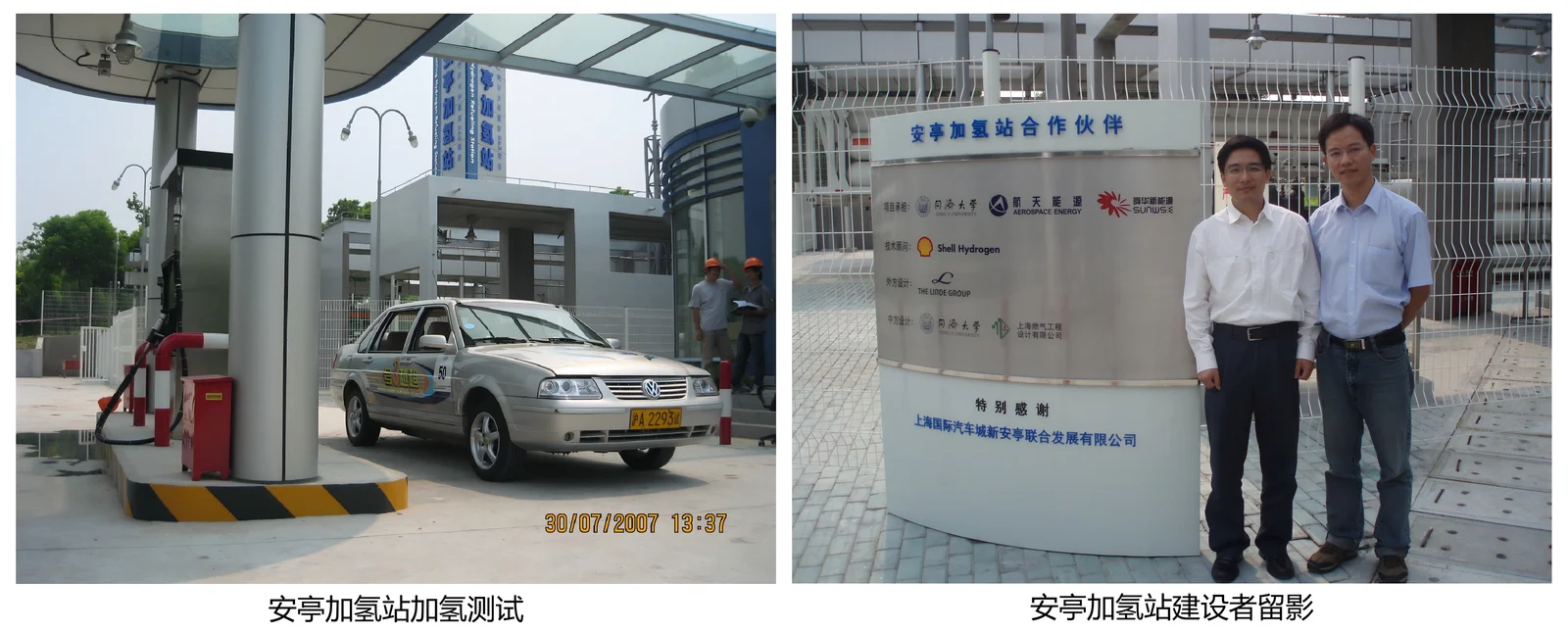
Simply calling it construction understates the challenge: we were learning as we went. There were no standards, codes or precedents to rely on. Our process design team had to establish the safety boundaries for high-pressure hydrogen: how to route pipes, select valves, space storage vessels and match the dispenser interface to the vehicle. Every detail started from zero.
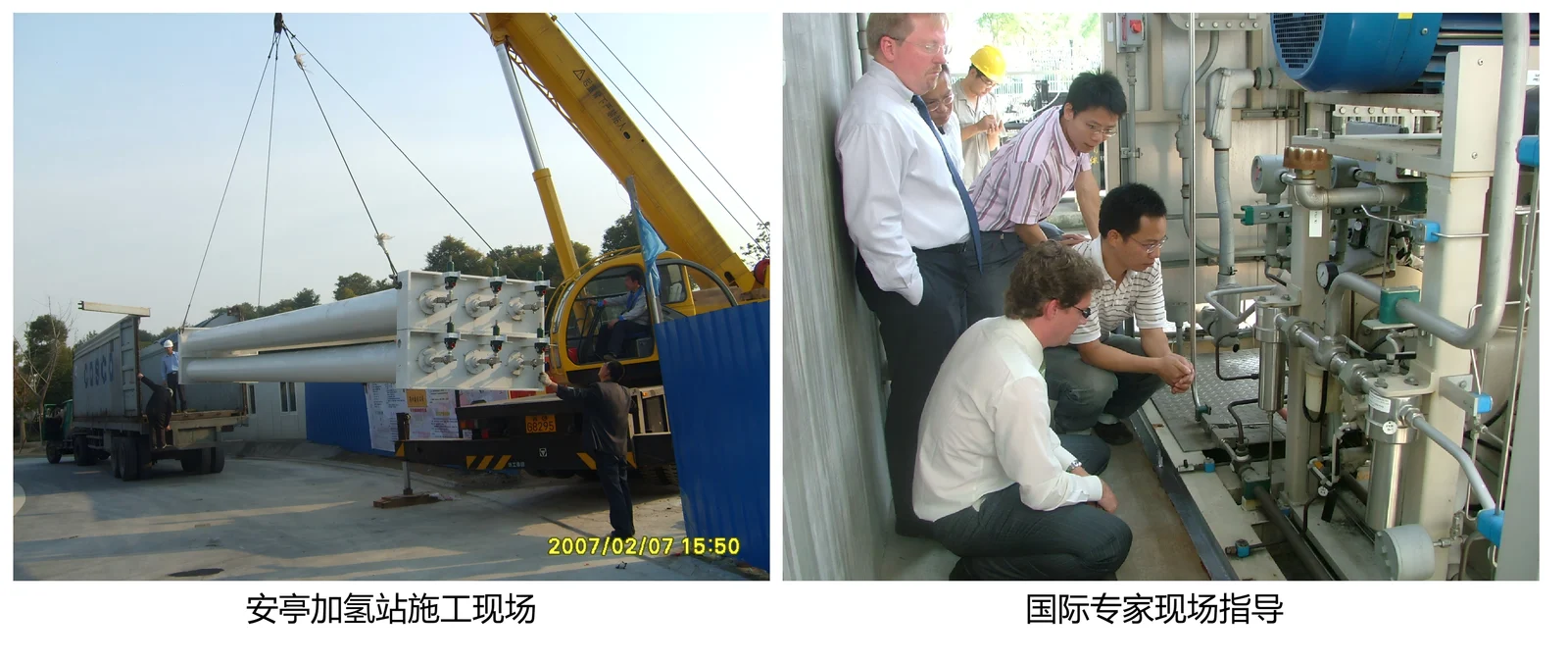
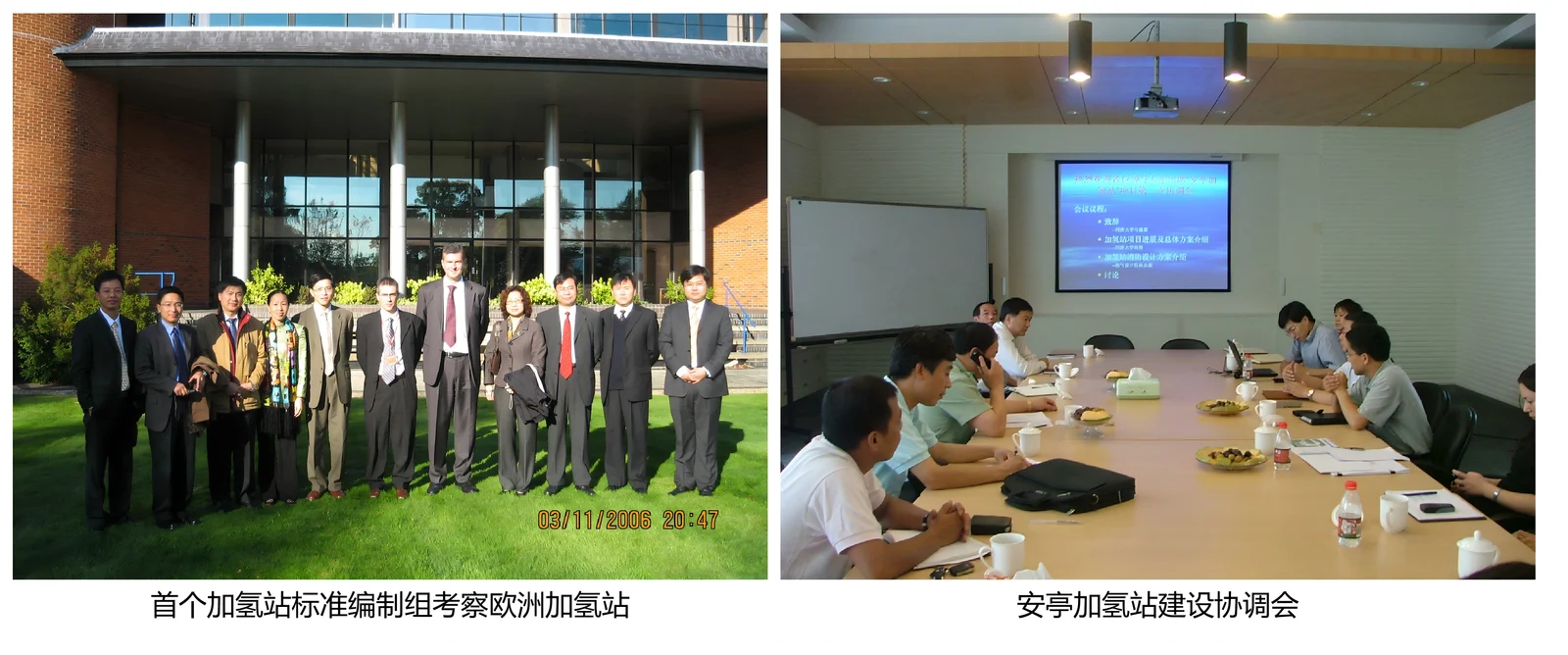
We followed two parallel approaches. One was to learn from advanced overseas technologies and international standards. The other was to adapt them to China's climate, applications and industrial capabilities. Anting was built through that process. It also became a test site: over the following nineteen years it continued operating, validating technologies and undergoing improvements. It became China's longest-operating hydrogen station and a reference for many subsequent designs.
The early figures illustrate the challenge. In 2007, Anting dispensed 185 kg of hydrogen in 60 refueling operations. By the 2010 Shanghai World Expo, annual hydrogen dispensing had risen to nearly 4,000 kg over 2,276 operations. That growth reflected three years of commissioning, validation and iteration.
Q: How did your technical capabilities change as you grew from one station to more than one hundred?
A: The biggest change was moving from the ability to build a station to the expertise needed to deliver a hundred stations.
Nineteen years of experience and more than one hundred stations across over twenty provinces and municipalities are supported by a mature process design system. Sunwise now offers complete turnkey capabilities, from site planning, process selection and equipment configuration to safety risk assessment, SCADA control and contracted operations management. We help define how stations should be built as well as building them.
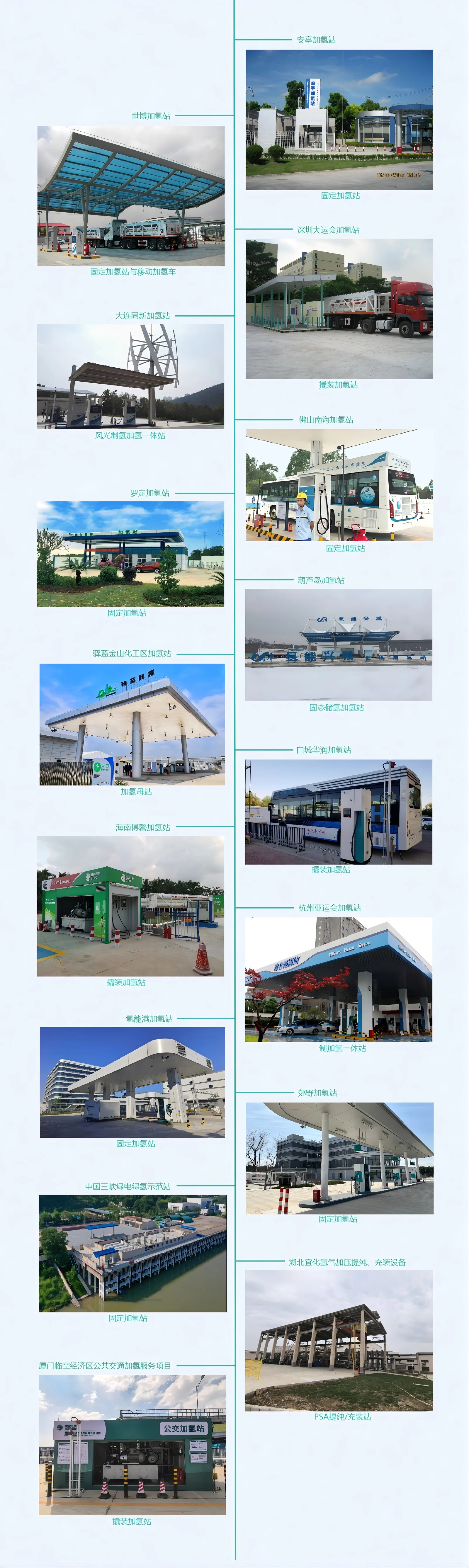
Stations can be classified by hydrogen source, construction method, storage method or energy services. They include externally supplied or integrated production-and-refueling stations; permanent, skid-mounted or mobile facilities; gaseous, liquid or solid-state storage; and hydrogen-only or integrated energy stations. Sunwise has participated in almost all these types. Dalian Tongxin, completed in 2016, was China's first 70 MPa station using hydrogen produced from complementary wind and solar generation. The Jinshan Chemical Industry Park station was China's first pipeline-fed station and first commercially operated hydrogen mother station, with supply capacity of five tonnes per day. The Hangzhou Asian Games station was part of a zero-carbon energy internet park integrating flexible direct current, hydrogen–electricity coupling and multiple energy sources. The Three Gorges Green Electricity and Green Hydrogen station uses a shore-based refueling method developed specifically for Three Gorges Hydrogen Boat No. 1, China's first hydrogen fuel cell vessel.
Text from the original image
Project references shown in the original image
Anting hydrogen refueling station — fixed station.
Shanghai World Expo hydrogen refueling station — fixed station and mobile refueling vehicle.
Shenzhen Universiade hydrogen refueling station — skid-mounted station.
Dalian Tongxin hydrogen refueling station — integrated wind/solar hydrogen production and refueling station.
Foshan Nanhai hydrogen refueling station — fixed station.
Luoding hydrogen refueling station — fixed station.
Huludao hydrogen refueling station — solid-state hydrogen storage and refueling station.
Yilan Jinshan Chemical Industry Park hydrogen refueling station — hydrogen supply hub.
China Resources Baicheng hydrogen refueling station — skid-mounted station.
Hainan Boao hydrogen refueling station — skid-mounted station.
Hangzhou Asian Games hydrogen refueling station — integrated hydrogen production and refueling station.
Hydrogen Port hydrogen refueling station — fixed station.
Country Park hydrogen refueling station — fixed station.
China Three Gorges green electricity and green hydrogen demonstration station — fixed station.
Hubei Yihua hydrogen compression, purification and filling equipment — PSA purification and filling station.
Xiamen Airport Economic Zone public transport hydrogen refueling service project — skid-mounted station.
Q: What role has Sunwise played in the hydrogen demonstration programs conducted since China's 10th Five-Year Plan?
A: We have participated from the second phase of the Ministry of Science and Technology, UNDP and GEF fuel cell bus commercialization demonstration program and the Shanghai World Expo through to the Beijing Winter Olympics, Hangzhou Asian Games and the recently completed first phase of the fuel cell vehicle demonstration city clusters.
Anting was a core refueling station for the second UNDP phase. Sunwise was a principal participant in building the World Expo station and designed the on-board hydrogen systems for its 196 demonstration vehicles, while providing hydrogen supply support. For the Beijing Winter Olympics, we supplied systems for several brands of fuel cell support vehicles and provided operations and maintenance throughout. For the Hangzhou Asian Games, we built Hangzhou's first hydrogen utilization station, the Binjiang Green Transport Integrated Energy Station. During the 2021–2025 city-cluster demonstrations, we were deeply involved in planning and building infrastructure in Shanghai and other clusters, providing station networks to support large-scale vehicle deployment.
Chapter 2: independently developed dispensers and core equipment
Q: How did Sunwise develop its hydrogen dispensers?
A: The dispenser is the heart of a station. It determines whether hydrogen can be delivered to vehicles safely, quickly and accurately.
Our dispensers have progressed through three generations. The first was developed in 2009 and installed at the Shanghai World Expo and Anting stations. It was among the earliest domestically developed dispensers in China. We subsequently developed second- and third-generation products and now hold independent intellectual property for the dispenser.
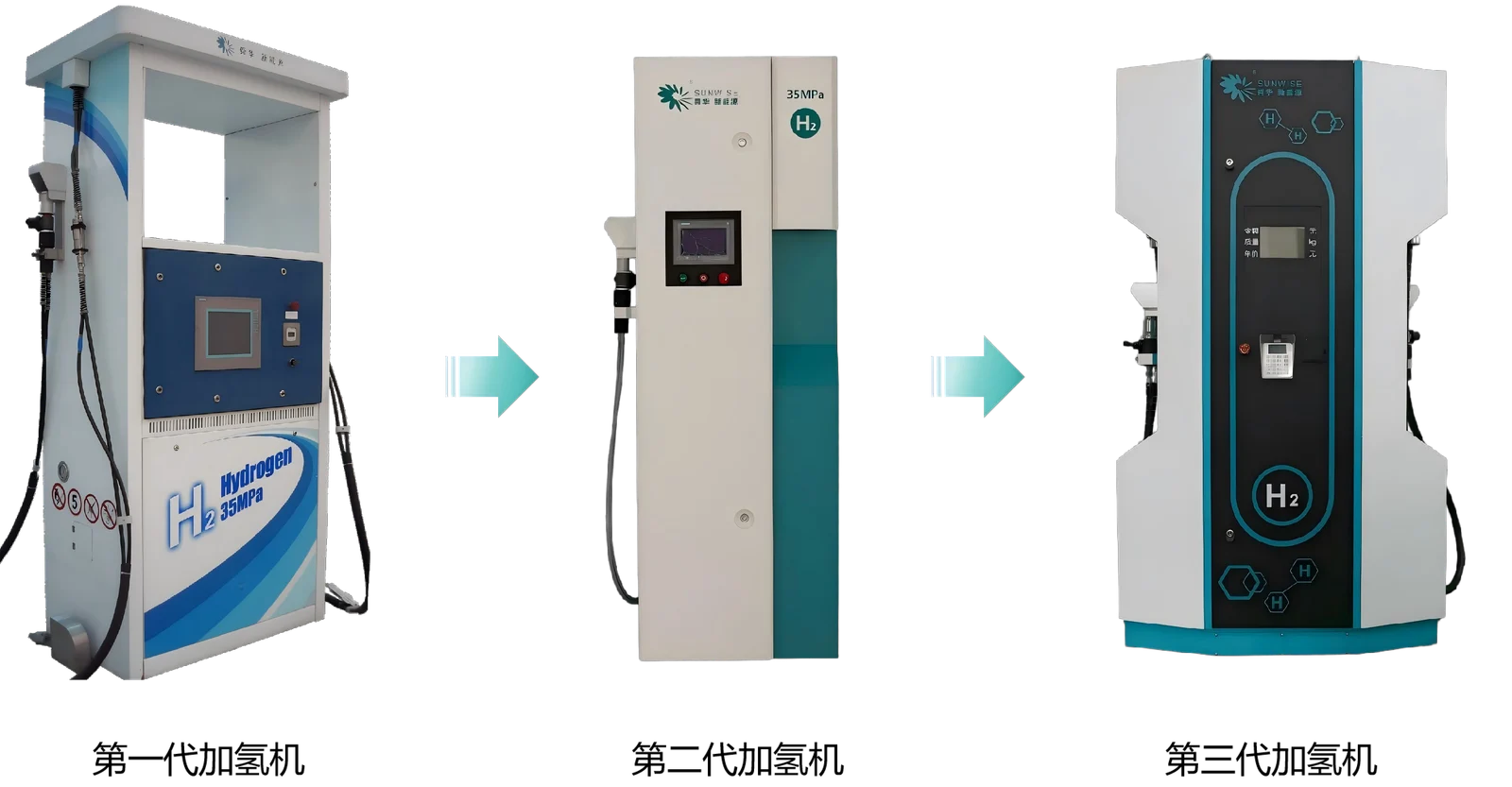
The third-generation dispenser supports 35 MPa and 70 MPa refueling, metering accuracy of 1% and a maximum refueling rate of 7.2 kg/min, while keeping the temperature inside the storage cylinder below 70 °C. Sunwise has also developed its own high-pressure, fast-refueling control strategy to meet mainstream international refueling standards, combining efficiency with safety.
Q: What breakthroughs have you made in other core equipment?
A: A station relies on a complete coordinated system, so we have developed a range of proprietary products.
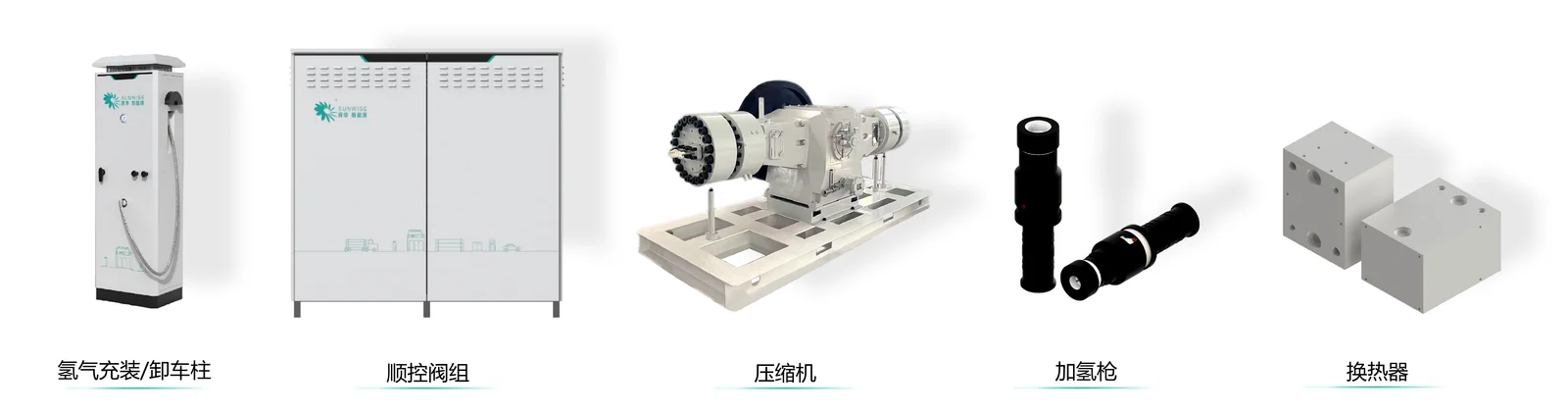
Our diaphragm compressor range covers different specifications and can be customized. It addresses the localization of core components for high-performance diaphragm compressors, a key technology project supported by Shanghai. Our 35 MPa and 70 MPa hydrogen nozzles have a cycle life of 100,000 operations and leakage below 10 Ncc/h. Sunwise was the lead drafting organization for GB/T 34425-2023, 'Fuel cell electric vehicles — Hydrogen refueling nozzles.' Our microchannel heat exchanger has a working pressure of 90 MPa and pressure resistance of 129 MPa, supporting precise temperature control during refueling. The SCADA system is the station's brain, providing digital management and intelligent monitoring, including process control, data acquisition and recording, security supervision and interlock control.
From dispensers to compressors, nozzles, heat exchangers and station controls, Sunwise has largely established independent capabilities across the core equipment chain.
Chapter 3: on-board hydrogen systems
Q: When did you begin developing on-board storage systems, and how did Sunwise reach a leading market position?
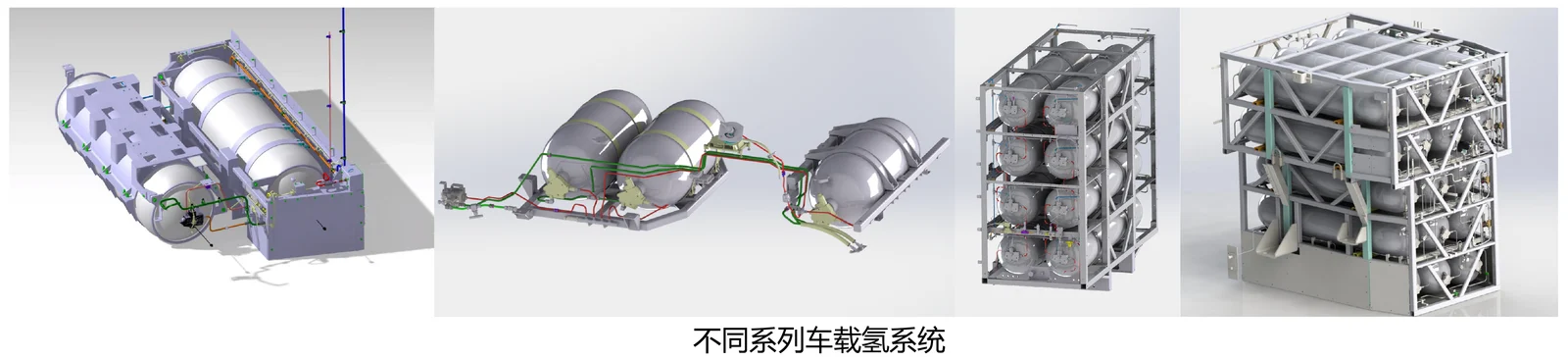
A: Sunwise was one of China's earliest companies to develop and apply on-board hydrogen systems.
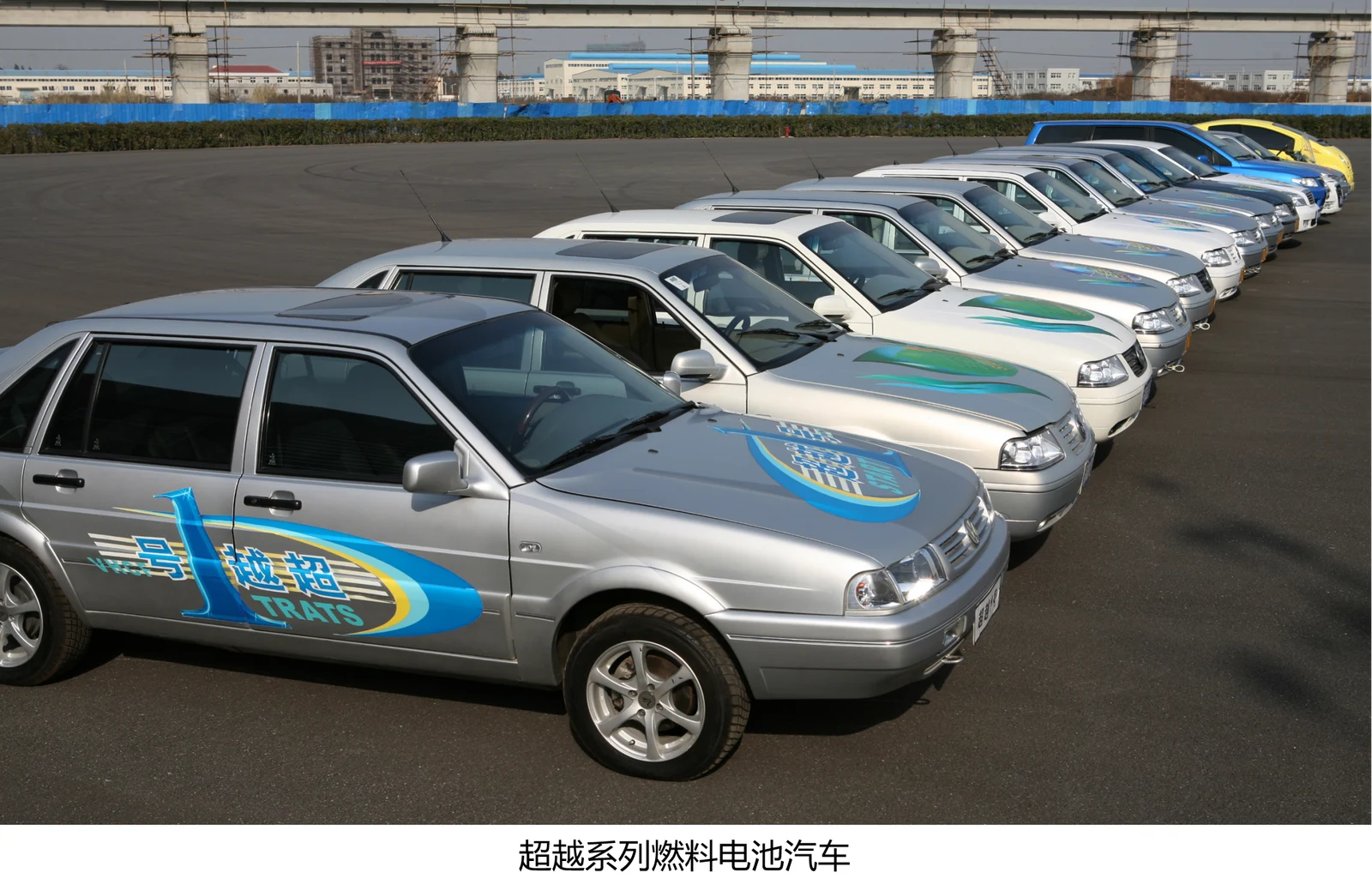
At the company's founding, we participated in the design and integration of hydrogen supply systems for the 'Chaoyue' fuel cell passenger cars led by Tongji University. Development accelerated around 2008. We supplied on-board systems and hydrogen support for vehicles at the Beijing Olympics and received a Science and Technology Olympics Teamwork Award. At the 2010 Shanghai World Expo, our systems were used in what was then the world's largest fuel cell vehicle demonstration.
The development of Sunwise's on-board systems can be divided into three stages.
Initial development: establishing availability. We began by integrating 35 MPa Type III cylinder systems, taking them from laboratory work to vehicle installation. We also began developing key components independently. In 2013, with Shanghai research funding, we completed the first round of development for a 35 MPa high-pressure integrated cylinder valve, mastered its key technologies and passed testing by the Shanghai Institute of Special Equipment Inspection and Technical Research. This filled a domestic gap and substantially reduced the cost of 35 MPa on-board storage systems.
Original system design: progressing from following to competing alongside peers. The key transition was 70 MPa. Starting from whole-vehicle requirements, Sunwise developed its own design and integration capabilities. In September 2022, Shanghai's first fuel cell ride-hailing vehicles entered service: SAIC MAXUS seven-seat business vehicles using Sunwise's customized 70 MPa systems.
Volume deployment: reaching the leading market share. We worked with Yutong, Foton and others to support vehicles in extreme cold during the 2022 Winter Olympics. Our systems equip 70 MPa passenger vehicles from SAIC MAXUS, GAC, Haima and Changan; the world's first 136-tonne-class 70 MPa fuel cell mining truck; and CRRC Qishuyan's hydrogen locomotive for South America. TrendBank statistics ranked Sunwise first in on-board hydrogen system market share in 2023.
Q: Which core components have you developed?
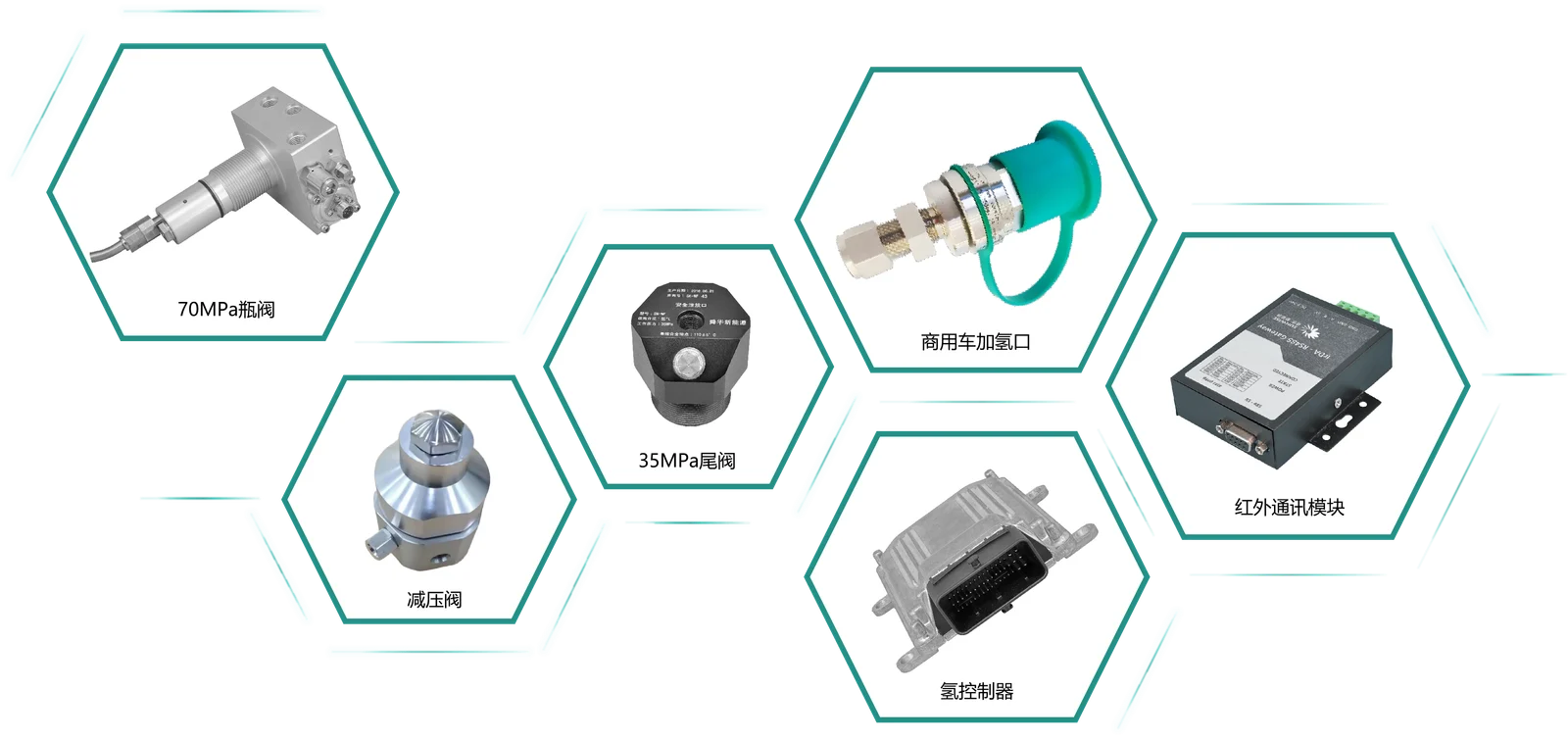
A: For many years, key components relied heavily on imports, limiting domestic vehicle applications. Our goal was to develop independent capabilities in those components.
We first focused on cylinder valves, among the most critical components for controlling high-pressure hydrogen and supplying fuel to a fuel cell system. Development began in 2009, and the first-generation 35 MPa valve was completed in 2013. It was among China's early integrated products, combining a solenoid valve, safety valve, temperature sensor, excess-flow valve and manual shut-off valve. It gave domestic systems an independent component option and significantly reduced cost. We continued improving the product and obtaining domestic and international certifications; a 70 MPa valve has now also been developed. Cylinder valves, end valves, receptacles, pressure regulators, stainless steel tubing, rubber seals, hydrogen controllers and infrared communication modules have progressively moved from full reliance on imports toward domestic development.
Chapter 4: nuclear power, specialized equipment and integrated energy
Q: How did your hydrogen expertise extend to nuclear power and specialized equipment?
A: The nuclear opportunity arose in 2012, when China introduced third-generation AP1000 technology. A key component required precise high-pressure hydrogen injection, directly matching our expertise. State Nuclear Power Technology Corporation invited us to join the cross-disciplinary development work.
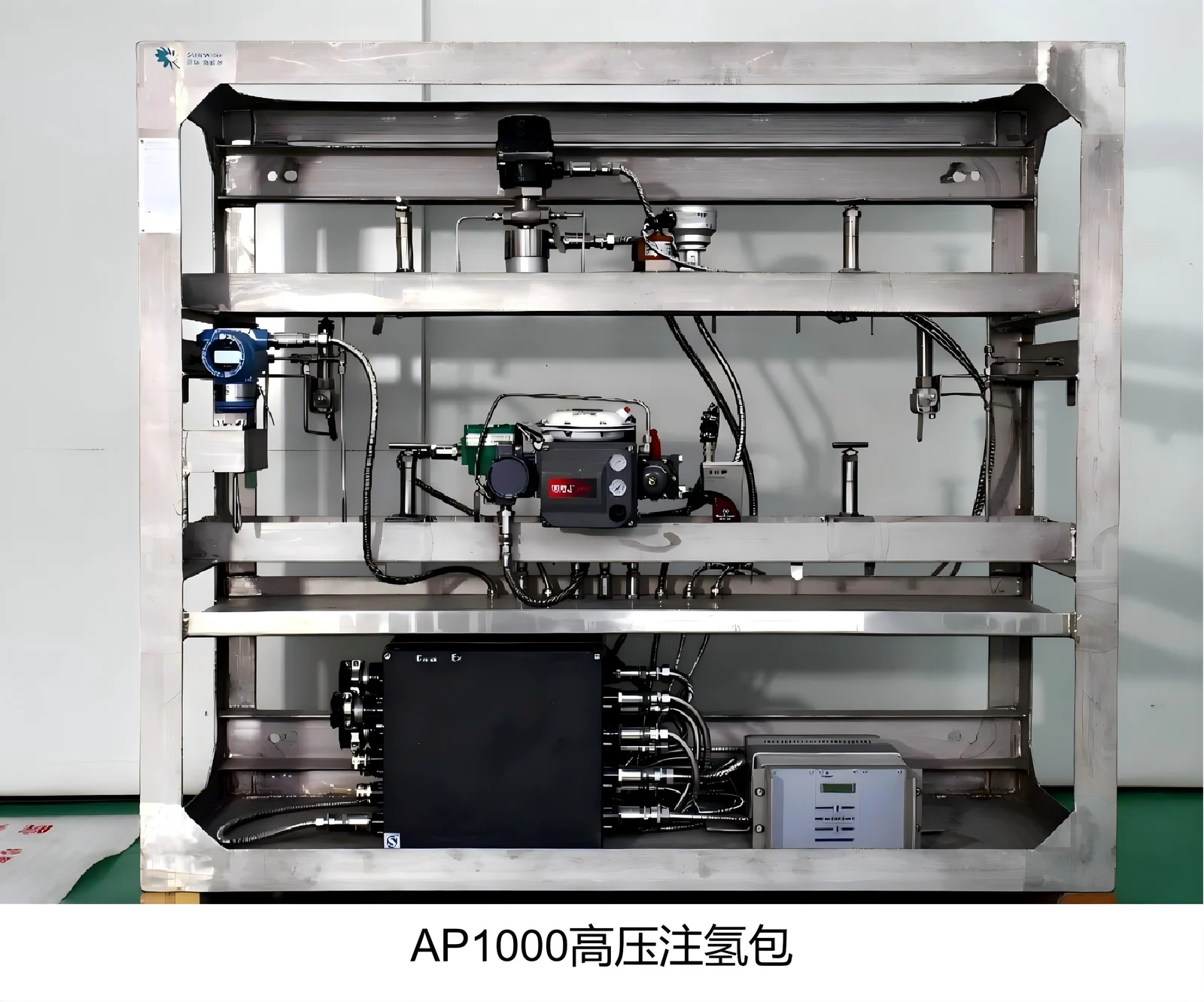
Nuclear power and hydrogen may seem separate, but high-pressure gas handling gives them common requirements: precise control, stringent safety and long service life. Nuclear facilities have demanding specifications, including a sixty-year design life for core components and an accuracy error below 1% for hydrogen addition equipment. We delivered an AP1000 hydrogen supply system for Sanmen Nuclear Power in 2014 and subsequently supplied hydrogen injection equipment for Haiyang in Shandong, Lianjiang in Guangdong and other projects.
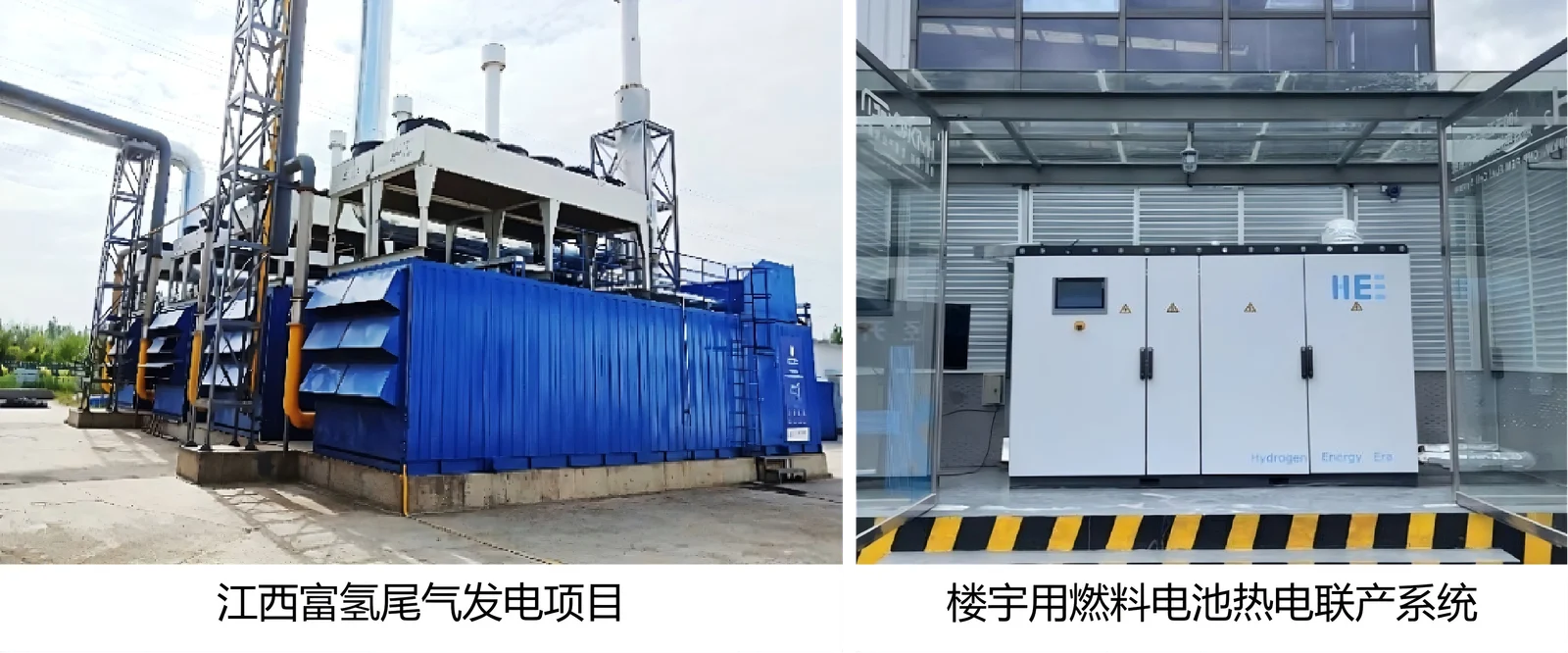
In specialized equipment, we use our high-pressure hydrogen expertise to provide hydrogen supply support, integrated production and refueling equipment, and hydrogen system solutions. We have obtained equipment manufacturer qualification, enabling us to supply complete high-pressure gas systems for specialized applications. We have also developed natural-gas distributed smart energy stations and proton-exchange-membrane fuel cell combined heat and power systems. Guizhou's first 100 kW building-scale fuel cell CHP system entered operation in 2023, according to this interview.
Chapter 5: completing the chain with hydrogen production
Q: Why did Sunwise expand from hydrogen use to production?
A: We wanted a complete chain covering production, storage, transport, refueling and use.
We began early. In 2005, Sunwise developed China's first demonstration plant for purification of industrial by-product hydrogen, already addressing the question of hydrogen supply. Today we have two main production routes. Alkaline electrolysis is the mature route: our systems cover 200–1,000 Nm³/h and offer effective sealing, tolerance of wide power fluctuations, modular design, high integration, high current density and low energy consumption.
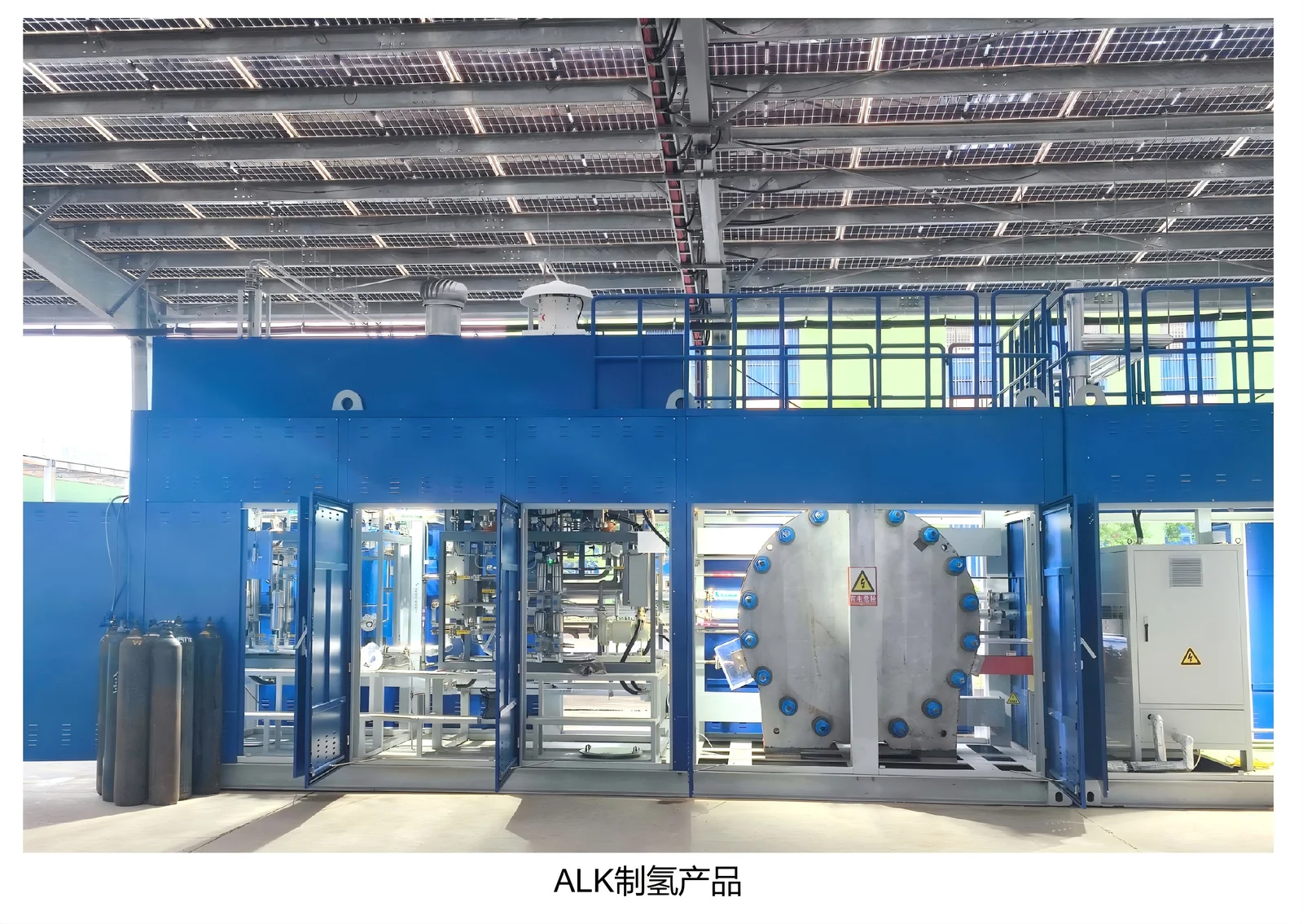
Anion-exchange membrane electrolysis is an emerging priority. It combines alkaline electrolysis's cost advantages with PEM flexibility. Sunwise undertakes Shanghai's project on efficient, low-cost AEM hydrogen production equipment and demonstration applications. Development of a 50 Nm³/h product has been completed.
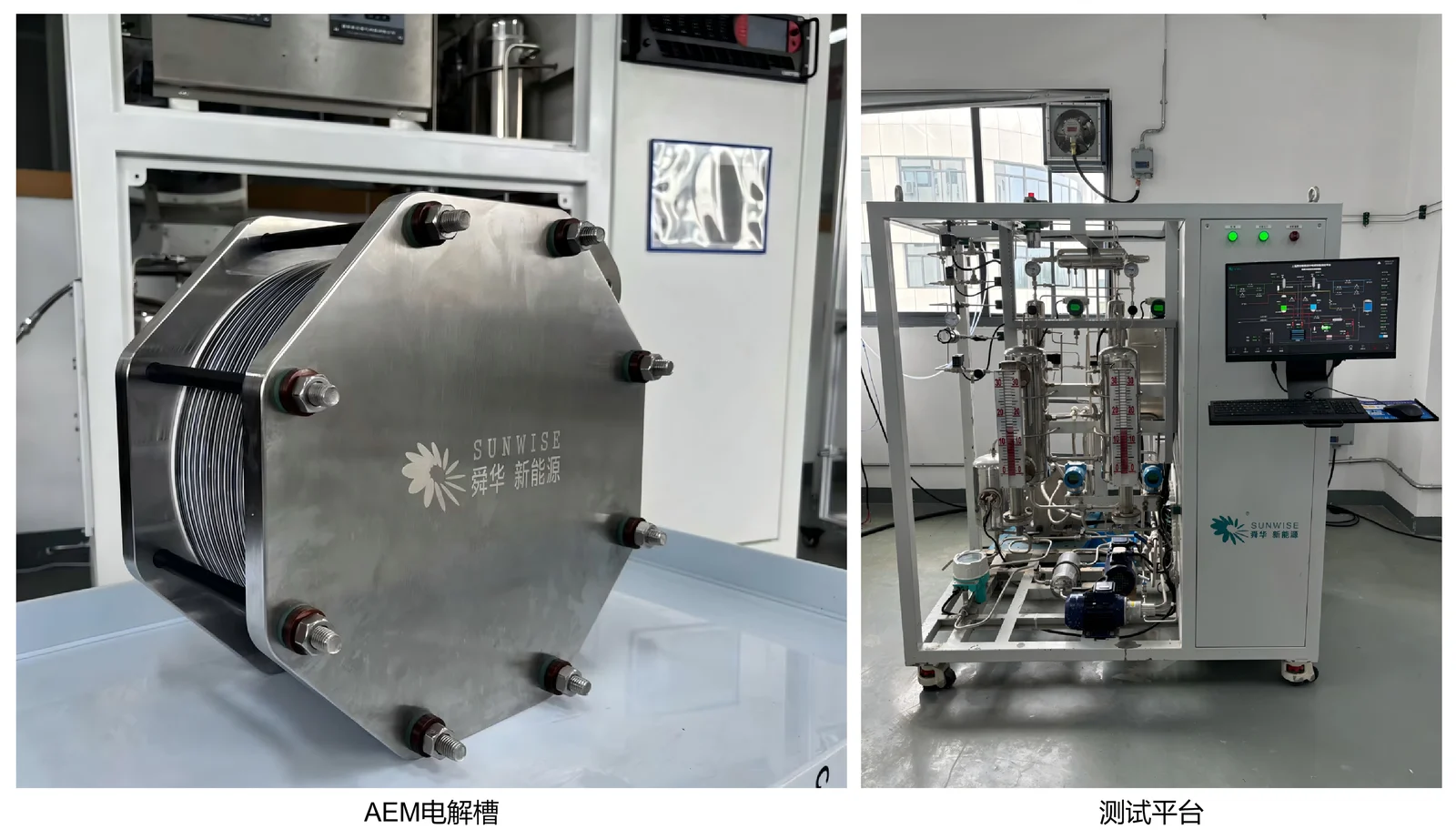
We have built a testing platform covering alkaline, PEM and AEM routes, with a series of electrolyzer test benches ranging from laboratory scale to high-volume systems.
We are also developing diverse hydrogen sources, including by-product hydrogen purification, hydrogen production from purified biogas and solid-state hydrogen storage.
Chapter 6: contributing to standards
Q: What do forty-four standards mean for Sunwise?
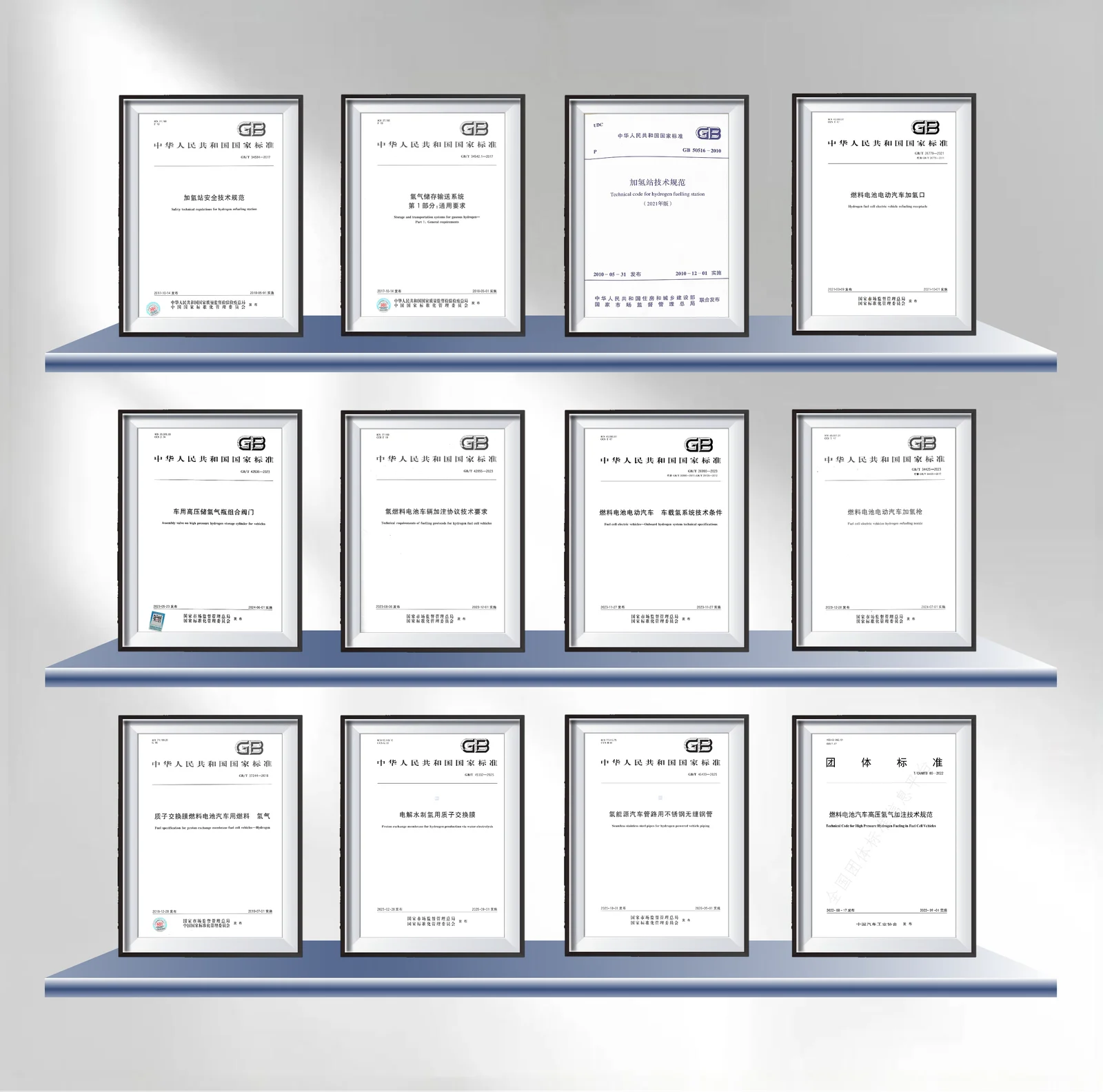
A: Over twenty-two years, we have turned solutions to specific technical problems into shared industry practice. From the construction of Anting, we participated in research and development of China's hydrogen standards framework. Our contribution to forty-four standards spans production, storage, transport, refueling and use. It means we help shape the industry's rules as well as applying its technologies. Implementation of those standards has provided a foundation for moving from demonstrations to large-scale applications.
Closing: the next twenty-two years
Q: At this anniversary and the opening of the new site, what would you most like to say? What comes next?
A: Twenty-two years ago, we asked whether hydrogen could be used in a green, economical and safe way. Today the answer is reflected in more than one hundred stations, over eight thousand on-board systems, 161 patents and forty-four standards.
Our journey will continue for three reasons. First, hydrogen's strategic role is rising. It has been included in China's Energy Law and identified as a priority future industry in the 15th Five-Year Plan. Under the carbon peaking and carbon neutrality goals, it is becoming a key carrier in the energy transition. Second, its value is being redefined through its low-carbon characteristics, energy storage role and connection between feedstocks and energy. Third, applications are expanding. In 2026, a new integrated hydrogen application pilot program was announced and five city clusters were approved. Hydrogen is moving from a predominantly vehicle-based market toward multiple sectors, and from isolated demonstrations toward cross-regional cooperation. Applications are extending into broader energy supply and green fuels, including drones and vessels.
Sunwise's capabilities across production, refueling, on-board supply, standards and testing address the core needs of this new pilot phase. Its patent-led technical development will continue to support the industry. We believe the next twenty-two years will bring further progress.
Conclusion
Over twenty-two years, Sunwise has established a technology chain spanning production equipment, stations, on-board systems and standards. Hydrogen's story extends further: when produced sustainably, stored and transported efficiently and dispensed conveniently, it becomes an energy carrier connecting renewable generation with end users, and a bridge between feedstocks and energy. Sunwise's work in this field continues.
Coming next: Huiping continues the journey with features on hydrogen drones and marine equipment, and on the many roles of hydrogen from green energy to green fuels.
About Sunwise: Established in 2004, Shanghai Sunwise Energy Systems Co., Ltd. provides integrated hydrogen solutions and key equipment and develops hydrogen supply ecosystems. It is a national specialized and innovative Little Giant enterprise, a Shanghai Enterprise Technology Center and a Shanghai Science and Technology Little Giant Enterprise. Its core team has more than a decade of hydrogen experience and expertise in high-pressure hydrogen handling. Its business spans hydrogen energy, nuclear power and distributed energy, with additional work on EPC projects producing hydrogen from surplus wind and solar electricity.
Written by Huiping and Dongmei.
Referenced sources
Related announcement on WeChat (Chinese)
English edition of the original Chinese page. Historical statements, dates and figures are retained as published.